A Pretty Jar Is Not a Preservative: The Case Against Casual Decanting
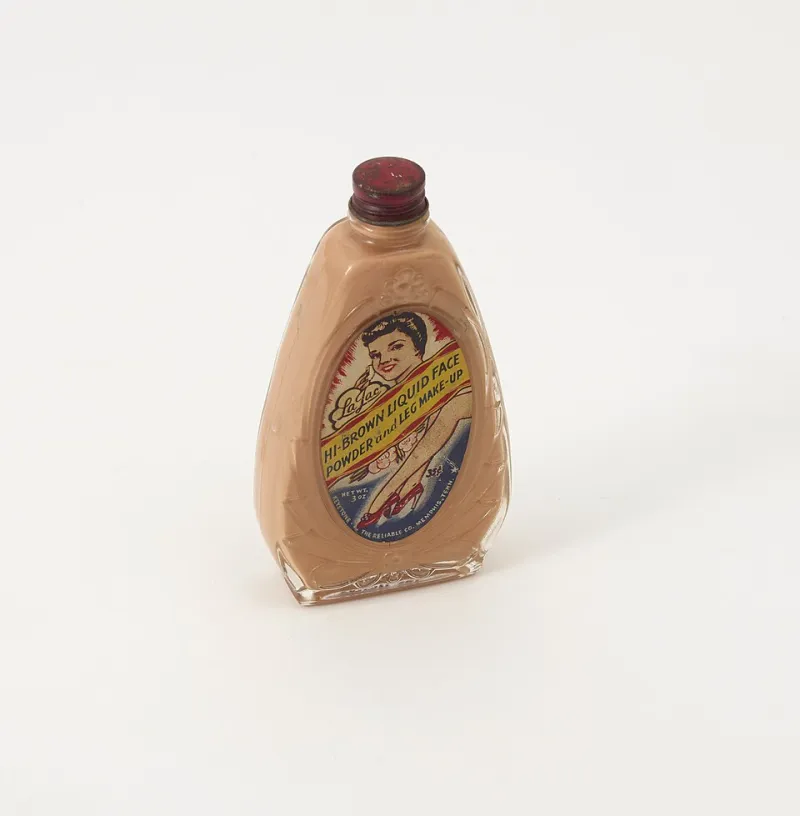
Photo: Keystone Laboratories, Inc, Public domain, via Wikimedia Commons
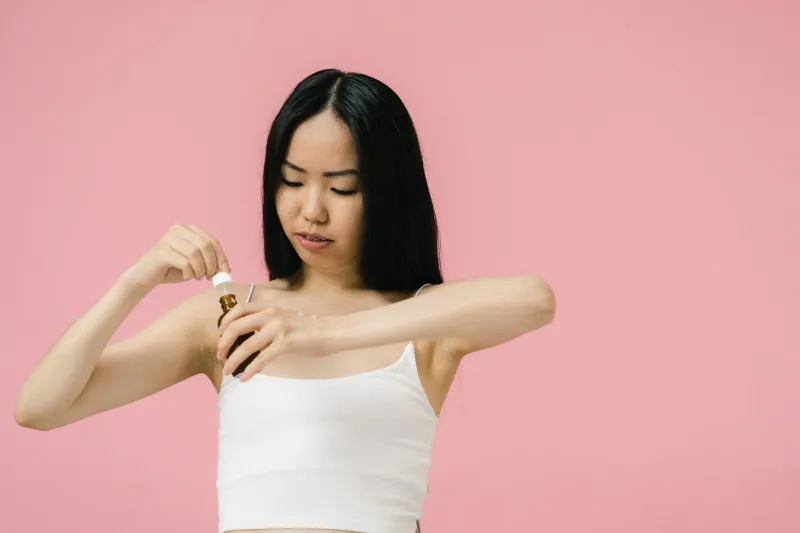
There is a certain Sunday-reset fantasy that goes like this: your Natural Beauty Delivery box arrives, you unbox the botanical serums and cold-pressed oils, and then you pour everything into a matching set of clear glass bottles. The shelf looks like a spa. The labels match. The light catches just right. It is a very good photograph.
It is also, for some formulas, a very bad idea.
Natural skincare is not automatically fragile, but plenty of the ingredients that make it interesting are sensitive to light, oxygen, heat, and microbes. The bottle a brand chooses is not just a marketing decision. It is part of the formula's survival plan. When you decant casually, you may be removing the exact features that were keeping the product fresh.
Packaging Is Doing Quiet Work
An airless pump is not there to look modern. It limits how much air gets back into the product. An opaque tube or amber glass is not just a mood. It blocks some light. A liner, a one-way valve, a narrow opening, a sealed dropper: these are small engineering choices that help a formula hold up after you open it.
That matters even more with natural formulas that lean on plant oils, botanical extracts, ferments, and antioxidant blends. These ingredients can be lovely and effective, but they do not need extra help aging. Every transfer from one container to another is a little disruption.
Four Things You Can Lose in the Pour
Light exposure
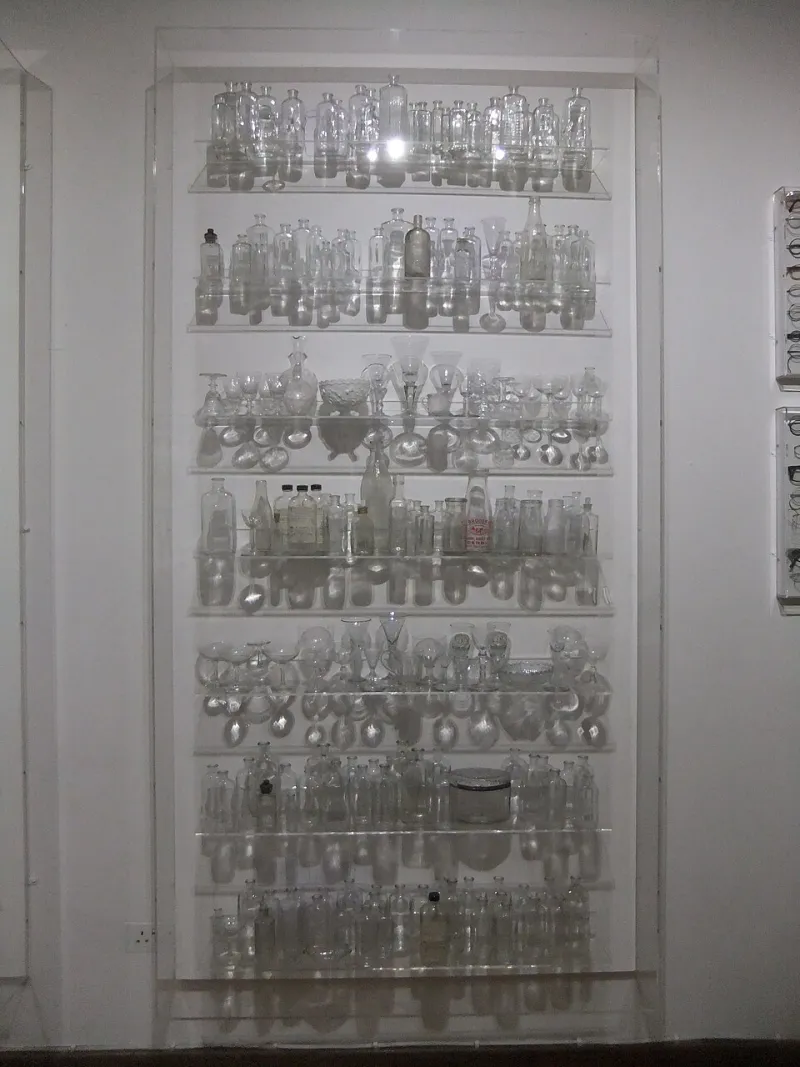
A clear decorative bottle on an open bathroom shelf is basically a window seat for daylight. UV and visible light can degrade antioxidants, certain vitamins, essential oils, and plant pigments. If the original package was opaque, amber, or housed in a protective carton, a clear jar is a downgrade. Even indirect bathroom light adds up over weeks.
Air contact
Pouring introduces oxygen. A wide-mouth jar adds headspace. A dropper that gets pumped repeatedly pushes air in and out. Oils can oxidize and start to smell off. Vitamin C formulas can darken. Fragrance can fade. An airless pump is not glamorous, but it is doing a better job than a pretty jar with a loose lid.
Contamination risk
Every time you open a product, you are not opening it in a clean room. You are opening it in a bathroom, with damp air, busy hands, and maybe a toddler who has opinions. Reused bottles, funnels, and jars need to be truly clean and dry. Fingers and water introduce microbes. No formula is sterile after you open it, and a casual decant gives contamination more chances to settle in.
Protective features and information
Decorative bottles rarely have the same airless mechanism, UV protection, or dose control as the original. You may also lose the batch code, expiration date, and period-after-opening symbol. That little open-jar icon is useful. Once the product is in an unlabeled bottle, you are relying on memory. Memory is not a preservation system.
The Decanting Decision Tree
Before you pour, walk through this quickly.
-
Is it a water-based product, like a serum, toner, mist, or lotion? If yes, do not decant it just for looks. Water-based formulas are the least forgiving about contamination and air exposure.
-
Does it contain vitamin C, retinoids, ferments, antioxidants, or delicate botanical extracts? If yes, keep it in the original package. These are not the ingredients to test with a clearance jar.
-
Is the original package airless, opaque, or otherwise protective? If yes, treat that package as part of the formula. Do not move it to a clear bottle with a wide mouth.
-
Is the new container opaque, airtight, clean, and easy to label? If any answer is no, stop. A cute bottle is not worth a spoiled serum.
-
Is this for a short trip, not a permanent shelf makeover? If yes, a small travel decant can make sense for a week or two. Use a clean, leakproof, opaque container and label it with the product name and date.
-
Did the brand design the product for refilling? If yes, follow their refill instructions. That is different from pouring a random product into a random jar.
If You Absolutely Must Decant
Sometimes there is a real reason: a bulky bottle for a weekend bag, a pump that will not fit in a small cabinet, or a refill system that needs a home. In those cases, keep it small and short-term.
Wash the new container with hot soapy water, rinse it well, and let it dry completely. If you use a funnel, clean and dry it too. Fill the container close to the top to limit headspace. Label it with the product name and the date. Store it in a cool, dark spot, not on a sunny windowsill. Do not top off an old decant with fresh product. Do not mix two products in one bottle. And do not decant your entire full-size product if you can avoid it. Keep the original as the main supply and use the decant only for travel.
A Prettier Shelf Without the Risk
If your goal is a calmer-looking bathroom, change the storage, not the formula. Put the original bottles in a closed cabinet, a drawer, or an opaque bin. Line them up so labels face out. Use a tray that slides into a cabinet. Keep the pretty glass jars for cotton swabs, hair ties, or bath salts. Your skincare does not need to be photogenic to work.
A matching shelf can be a nice ritual. But freshness is the real luxury. Let the packaging do its job, and save the decanting for the cases where it is genuinely practical.