Test Small, Live Big: A Low-Drama Patch-Test Plan for New Natural Actives

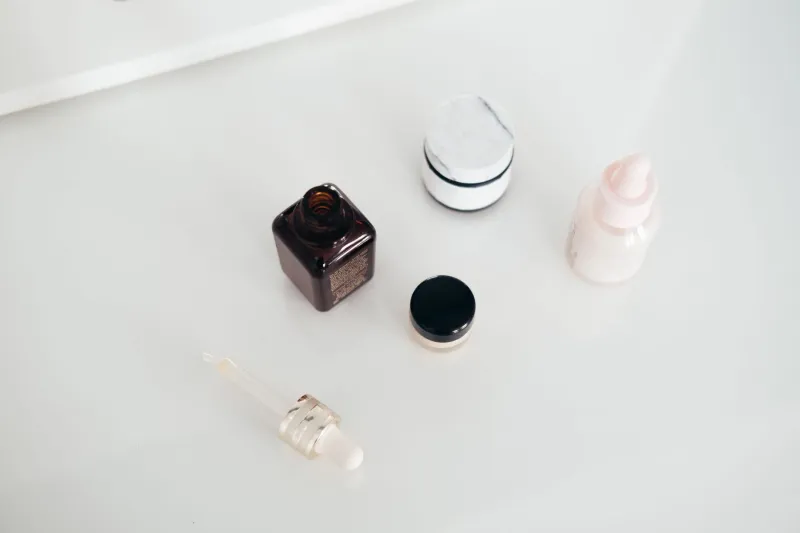
Photo: Shixart1985, CC BY 2.0, via Wikimedia Commons
Delivery day has a way of making sensible people do reckless things. You open the box, line up the bottles like a tiny skincare chorus, and suddenly you're ready to layer three new actives before dinner. Been there. But if your skin is reactive, dry, or just opinionated, that enthusiasm can turn into a week of redness and regret.
The good news: patch testing doesn't have to become a weeklong science fair. You don't need a lab coat, a spreadsheet the size of a beach towel, or a separate bathroom shelf. You need one small test spot, a little patience, and a simple way to remember what happened. Think of it as a quiet conversation with your skin before you invite the whole box to the party.
Start With the Boring Spot—That's the Whole Point
For a new leave-on product, begin somewhere unglamorous. The inner forearm is a good first stop because it's easy to watch, easy to wash, and far from your face if things go sideways. Apply a small amount—about the size of a pea—to a clean, dry patch. Don't scrub the area first, don't exfoliate it, and don't test on broken skin, a fresh breakout, or a spot you've just treated with another active.
If the forearm test stays calm for a couple of days and the product is meant for your face, you can move to a second, smaller test along the jawline or just behind the ear. Use a tiny amount and keep it away from the eye area. This two-step approach gives you a buffer: if a formula is going to misbehave, you'd rather it do so somewhere you can cover with a sleeve or a hairstyle.
Give It 24 Hours—Then Keep Watching
A common mistake is checking the spot after twenty minutes, seeing nothing, and diving into a full-face application. Some reactions are slow. For leave-on products, wait at least 24 hours before you decide anything, and ideally check again at 48 and 72 hours. For rinse-off products, a shorter window may be enough, but if your skin is sensitive, treat them with the same patience.
If the test spot looks and feels normal after the waiting period, repeat the application in the same spot for two or three days. This matters because irritation isn't always a one-and-done event. A formula can feel fine once and become annoying with repeated use. A few calm days in a row is a much better green light than one quiet afternoon.
Stagger New Actives Like You'd Stagger a Guest List
When your Natural Beauty Delivery box arrives with more than one active, resist the urge to introduce them all at once. If two products cause a reaction on the same night, you'll have no idea which one to blame. Introduce one new product every three to five days, and keep the rest of your routine boring and familiar while you do it.
That means no new cleanser, no new exfoliant, and no new mask in the same window. Yes, it's slower. Yes, it's worth it. Your goal isn't to race through the box; it's to learn which formulas actually earn a permanent spot on your shelf. A new vitamin C serum, a gentle exfoliating toner, and a botanical retinol alternative should each get their own audition.
Keep a Log That Takes Less Than a Minute
You don't need a beautiful journal. A notes app entry works fine. For each test, jot down the date, product name, where you applied it, how much you used, and what you noticed at the one-hour, 24-hour, and 72-hour marks. A quick photo in the same lighting helps more than you'd think.
Describe sensations in plain language: warm, tingly, tight, itchy, stingy, red, bumpy, fine. Avoid vague entries like "felt weird." The more specific you are, the easier it is to compare products later. If you're testing several items over a month, this log becomes your own personal reference guide—far more useful than a thousand reviews from strangers with different skin.
Tingle, Sting, or Something Else?
A mild tingle that fades within a few minutes and leaves no redness is often just the sensation of an active doing its job. It can happen with certain acids, vitamin C formulas, or botanical extracts. A sting, however, tends to be sharper and more persistent. Itching, hives, swelling, or a burning sensation are not normal "adjustment" signs—they're signals to wash the product off and stop.
Redness that appears immediately and doesn't settle is another clue. So is any reaction that spreads beyond the test spot. When in doubt, trust the uncomfortable feeling over the instruction card. Your skin doesn't care about finishing the bottle.
When to Bail—and When to Try Again
If you see hives, swelling, or intense burning, wash the area gently with lukewarm water and a mild cleanser, then leave it alone. Don't apply another active to "balance things out." If the reaction is severe or doesn't improve, contact a healthcare professional.
For mild redness or a few tiny bumps, pause the product and let your skin settle for several days. You can retest later on a smaller area if you're curious, but don't retest while your skin is still irritated. And if the same formula causes the same reaction twice, that's your answer. Not every natural active is for every face, and that's fine.
The Delivery-Day Mindset
Patch testing isn't a sign of distrust; it's a sign of respect for your skin barrier. It also makes your subscription more useful, because you learn which products genuinely work for you instead of guessing. So open the box, enjoy the unboxing, and then pick one new product to audition. One spot, a few days, a quick note. That's the whole plan—low drama, better information, and a much happier face.