A Nose, a Lot Code, and a Notebook: Your Three-Part Plan for Natural Batch Variation

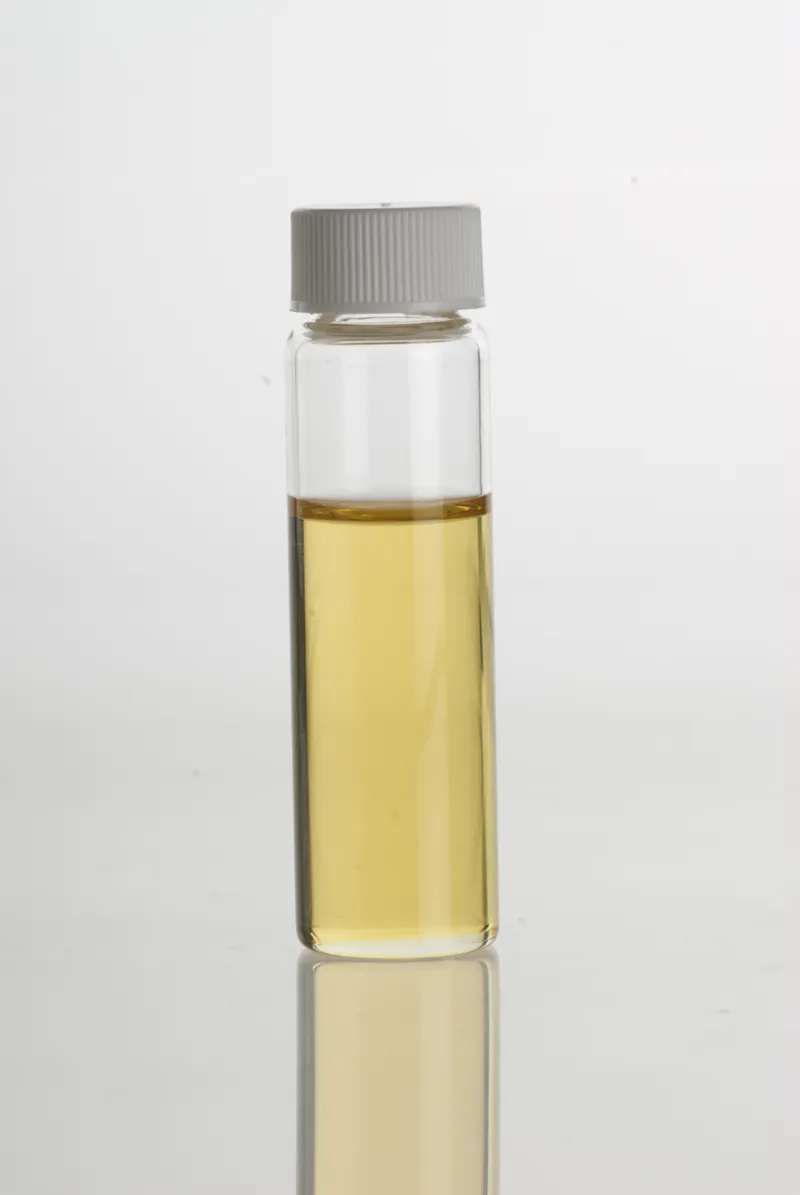
Photo: natural serum bottle with batch lot code label on bathroom shelf, via th-thumbnailer.cdn-si-edu.com
If you've been with Natural Beauty Delivery for more than a few boxes, you've probably noticed it: the same serum, the same label, the same spot on your shelf—but a scent that's a little greener, a little sweeter, or just… different. Maybe the color has shifted from pale gold to amber. Maybe the texture feels a touch thicker. Your first instinct might be to wonder if the brand changed the formula on you.
Usually, it didn't. Natural botanicals are agricultural ingredients, and agricultural ingredients have moods. A lavender harvest from one growing season won't smell identical to the next. A cold-pressed oil from one supplier can arrive with a different hue than the same oil from another. That's not a flaw in the product. It's the fingerprint of real plant material—and it's one of the reasons natural beauty is interesting in the first place.
But "natural variation" can't become a catchall excuse for every odd smell or texture. The trick is learning where the line sits between normal batch drift and a product that's actually turned. Here's a practical, low-stress way to do that.
First, the boring reason your serum smells different
Think of natural botanicals the way you'd think of produce. Two tomatoes from the same farm can taste different depending on the week they were picked. Two bottles of the same botanical oil can differ depending on harvest conditions, extraction method, and supplier lot. Even essential oils—which are concentrated and standardized to varying degrees—can carry subtle shifts from batch to batch.
That means the same product can arrive with a slightly different scent, color, or texture without any reformulation. A rosehip oil might look more golden in one batch and more amber in another. A clay mask might feel a little denser. A serum's herbal note might lean more grassy or more floral. None of that automatically means something is wrong.
What matters is context. Did the change show up in a freshly opened bottle? Is the product still within its stated shelf life? Does it smell off in a way that makes you recoil, or just different in a way you can describe? That's where lot codes and a little record-keeping come in.
Lot codes are your receipt, not decoration
Most beauty products carry a batch or lot code—sometimes stamped near the crimp of a tube, printed along the bottom of a bottle, or tucked into the label copy. It might be a string of letters and numbers, a stamped date, or a code you need to squint at. That code identifies the production run, and it's the fastest way to tell whether your new bottle is from the same batch as your old one.
If you're comparing two bottles and the lot codes differ, a slight scent shift is far less mysterious. If the codes are the same and something smells dramatically wrong, that's worth a closer look. Lot codes also help brands trace issues if you ever need to contact customer service. Snap a photo of the code before you recycle the packaging—especially with subscription boxes, where bottles can pile up fast.
While you're at it, check the period-after-opening symbol if there is one. That little open-jar icon tells you how many months the product is good for after you first open it. A lot code tells you when it was made; the PAO symbol tells you how long it's meant to last once it's in your routine.
Normal variation vs. red flags: a sniff-and-swipe triage
Not every change is a crisis, but not every change is harmless either. Here's a simple triage.
Usually normal: a subtle shift in scent that still smells like the same general family, a slight color difference between batches, a texture that needs a gentle shake or stir because natural ingredients can separate, or a fresh bottle that smells a little stronger or greener than the last one.
Worth watching: a scent that has become noticeably sharper, sour, or rancid; a color change that happens after opening rather than from the start; texture that turns grainy, clumpy, or unusually watery; or any product that starts to feel different on your skin after a few weeks.
Stop using it: mold, fuzz, bubbling, a fizzy smell, a scent that makes you genuinely recoil, or any sign of irritation—redness, itching, burning, or breakouts that show up with a new bottle. Trust your nose, but don't ignore your skin. If something feels off, set it aside and contact the brand with the lot code and purchase date.
One more note: don't judge a natural product by its first sniff alone if it's been sitting in a hot mail truck. Let it settle at room temperature for a day, then smell again. Heat can make scents bloom temporarily, and cold can mute them.
Keep a batch log that takes 60 seconds
You don't need a spreadsheet with seventeen tabs. A notes app entry or a small notebook is enough. For each new bottle, jot down the product name, lot code, date opened, and a quick first impression: scent, color, texture. Add a line or two after a week of use—how your skin responded, whether you noticed any tingling, dryness, or clogged pores.
That log does two things. First, it gives you a baseline so you can tell whether a future batch is truly different or just new to you. Second, it helps you spot patterns. If a certain serum always feels a little tingly on your cheeks, that's useful information. If a product that was fine for months suddenly smells sour, you'll know it's not just your imagination.
When to contact the brand—and what to say
If you suspect spoilage, reach out. Include the product name, lot code, purchase date, and a clear description of what changed. Photos of the label and the product itself help. If you've had a skin reaction, mention that too, and stop using the product while you wait for a response.
Natural batch variation is part of the deal when you choose botanical-rich products. It's not a bug, and it's not something to panic about every time your serum smells a little different. But a quick lot-code check and a simple log turn guesswork into evidence. That way, you can enjoy the garden in your bottle without wondering whether it's still good.