The Calm-Label Check: Decoding Essential Oils Before They Touch Sensitive Skin
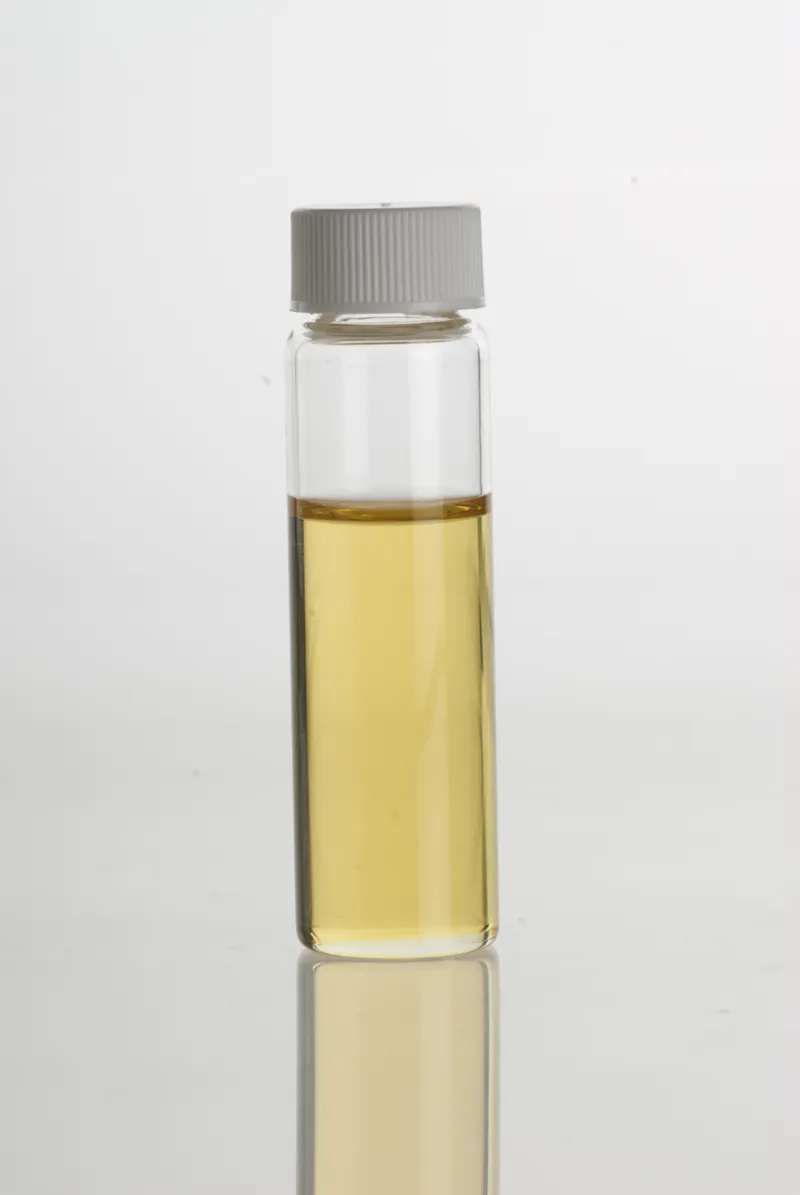
Photo: Itineranttrader, Public domain, via Wikimedia Commons
Natural beauty subscription boxes have a way of making everything feel gentle. The packaging is calm, the ingredients sound like a farmers market haul, and the word botanical does a lot of emotional heavy lifting. But if your skin is sensitive, natural does not automatically mean neutral. Essential oils are concentrated plant material, and some of them can absolutely make the wrong person flare.
This is not a case for avoiding every scented product forever. Plenty of people use essential oils without issue. The point is to read labels with a little more curiosity, especially when a box arrives and you are deciding what gets a permanent spot in your routine and what gets passed along.
Why Natural Can Still Sting
Essential oils are not single ingredients. They are complex mixtures of volatile compounds, and those compounds can vary by plant variety, harvest, and processing. A lavender oil is not just lavender in a bottle. It is a little chemical neighborhood, and some of those residents can irritate a compromised skin barrier.
Sensitive skin is not one thing, either. It might mean rosacea, eczema, a history of contact dermatitis, or skin that simply stings when the weather turns. If your barrier is already stressed, a fragrant leave-on product can feel like adding a loud playlist to a quiet room. The reaction may not show up instantly, which is why a product can seem fine on day one and suspicious by day ten.
The Label Terms That Deserve a Pause
The front of the bottle is marketing. The ingredient list is where the useful information lives, even when it is written in a tiny font that seems designed for ants.
Fragrance or parfum. This is a catch-all term. It can include synthetic materials, natural materials, or a blend of both. It does not tell you which ones. For sensitive skin, that vagueness matters.
Natural fragrance or botanical fragrance. These sound gentler, but they are not a guarantee. A natural fragrance can still be built from essential oils and isolated plant compounds that trigger reactions.
Essential oil blend or aroma. This is a helpful signal and a frustrating one. It tells you plant-derived scent is present, but it often does not name the plants. If a subscription product uses this phrase, check the brand site or ask customer service for the full list.
Botanical extract. Extracts are usually not the same as essential oils. They may be included for soothing or antioxidant support and may contain very little scent. Still, plant extracts can contain allergen components, so the word botanical is not a free pass.
Limonene, linalool, citronellol, geraniol, eugenol, and cinnamal. These are components of many essential oils. In some markets they must be listed when they appear above certain levels. In the US, labeling rules are less consistent, so you may not always see them. When you do, treat them as a clue that the product has fragrance potential, not a reason to panic.
Clean, non-toxic, or hypoallergenic. These are not regulated guarantees. They can be meaningful, but they are not a substitute for reading the actual formula.
The Usual Suspects for Sensitive Skin
No oil is universally bad, and no oil is universally safe. That said, some show up more often in sensitivity stories than others.
Citrus peel oils such as bergamot, lemon, orange, and grapefruit are common in bright, fresh-smelling products. They can be photoactive and can also oxidize over time, which makes storage and freshness matter. Peppermint and eucalyptus bring that cooling tingle a lot of people love, but tingle is not always a good sign on sensitive skin. Tea tree is potent and useful in some contexts, but it is not a gentle everyday face ingredient for everyone. Lavender is beloved and generally well tolerated by many people, yet it is still a common fragrant oil. Rosemary, clove, cinnamon, and ylang-ylang can also be heavy hitters depending on the formula and the person.
A leave-on serum or face cream deserves more caution than a rinse-off cleanser. The longer a product sits on your skin, the more time its ingredients have to make an impression.
A Subscription-Box Reality Check
Boxes encourage novelty. Sensitive skin prefers a slower pace. You can enjoy the discovery without turning your face into a test kitchen.
Start by quarantining new products for a few days. Read the full ingredient list online, because the box insert may only show the highlights. If the scent comes from an unnamed essential oil blend, ask the brand which oils are included. Then decide where the product belongs: body, hands, scalp, or face. A citrus body oil may be fine on your legs and a bad idea on your cheeks.
Introduce one new fragrant product at a time. Give it seven to fourteen days before adding another. Keep notes on the date, the product, and anything you noticed, including dryness, redness, or that vague feeling that something is off. If you have eczema, rosacea, or a known contact allergy, run new essential-oil products past your dermatologist instead of relying on label detective work alone.
The Three-Question Filter
Before a subscription product earns shelf space, ask three questions.
First, is scent essential to what this product does? If it is a treatment serum, the answer may be no. A fragrance-free version can be the smarter choice. Second, can the brand name the oils? If the answer is a vague natural fragrance, pause. Third, where will this go on your body? A scented body wash is a different risk than a scented eye cream.
Also know the difference between fragrance-free and unscented. Fragrance-free usually means no fragrance ingredients were added. Unscented can mean a masking fragrance was used to cover the smell of the base ingredients. For sensitive skin, fragrance-free is often the clearer starting point.
When a Product Earns a Spot
A successful trial is not just about whether your skin reacts. It is about whether the product fits your routine without extra drama. If you have to layer it with three soothing products to tolerate it, it may not be a keeper. If it smells lovely but you keep postponing using it, listen to that, too.
Natural beauty delivery works best when it feels like a steady supply of good options, not a pile of obligations. Sensitive skin is not anti-natural. It is pro-information. Read the label, ask the question, test slowly, and let the products that respect your skin stay for the long haul. Glow naturally, every day, delivered fresh, and with a little less guesswork.